Scaling Swiss Institutional VASP Operations with Utila

Industry
Financial Services
Focus
Cross-Border Payments & Settlements
Products Used
We are very confident in what Utila is doing. The platform integrates seamlessly with our operations, and we believe strongly in the team’s comprehensive approach to institutional digital asset infrastructure.
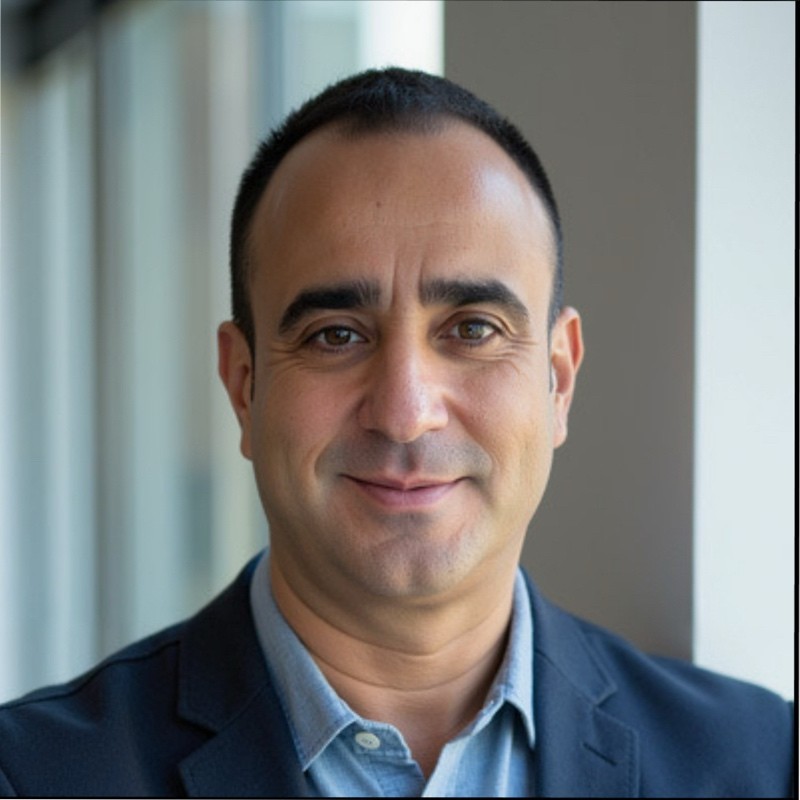
Nick Ntigrintakis
Founder
Key outcome Xerof gained using Utila
Scaled Segregated Wallet Operations Without Vendor Friction
XEROF moved to Utila to run segregated client wallets at institutional scale - improving integration speed, operational efficiency, and support responsiveness while maintaining Swiss regulatory compliance across a transaction-heavy business.
About Xerof
Swiss-regulated Rails for Seamless Crypto-Fiat Flow
Founded in 2020, XEROF operates as a regulated VASP providing institutional digital asset services across fiat and crypto currencies. The company offers dedicated IBAN accounts, cross-border payments, and settlement services for institutions, HNWIs, and Web3 companies. XEROF is also a leading European user of Ripple’s RDP network and integrates Circle infrastructure in its stack.
Since inception, XEROF has processed $1B+ in transactions for 70+ institutional clients across 50 countries. Operating under strict Swiss regulatory requirements, the company maintains segregated wallets per client, demanding secure, scalable wallet orchestration that aligns with compliance standards.
The challenge Xerof was facing
When Vendor Scale-Up Creates Operational Friction
XEROF entered the institutional digital asset space early, building their Swiss-regulated VASP operations around segregated wallet requirements. As one of the first enterprise clients of a major wallet infrastructure provider, they initially found success with their vendor relationship.
However, as their provider scaled, operational challenges began to compound:
Complex integration requirements
New implementations demanded extensive server infrastructure setup, creating unnecessary technical overhead and extended deployment timelines.
Deteriorating support model
Loss of dedicated relationship management and personalized engagement with their previous provider.
Inflexible renewal structures
Commercial terms became increasingly rigid and misaligned with XEROF’s transaction-heavy, relationship-driven business model.
Gas fee management friction
Operational overhead from manual gas fee handling across multiple chains, creating bottlenecks for high-frequency institutional operations.
For a company processing $1B+ in transactions across 70+ institutional clients in 50 countries, these operational inefficiencies threatened both daily workflows and strategic flexibility.
The solution we delivered for Xerof
Operational Flexibility and Technical Simplicity Through Utila
Rather than making an immediate switch, XEROF implemented a thorough evaluation approach. They ran both platforms in parallel for a few months – testing not just technical capabilities, but partnership dynamics and operational alignment.
During this period, XEROF evaluated Utila’s platform performance against their specific requirements: segregated wallet architecture for Swiss VASP compliance, institutional-grade policy controls, and integration flexibility with existing systems.
Crucially, Utila’s Business Continuity solution enabled seamless mirroring of their existing environment, allowing XEROF to replicate their entire wallet infrastructure and policies while maintaining operational continuity throughout the evaluation.
XEROF’s transition to Utila addressed each of their core operational challenges through both technical capabilities and partnership approach.
API Integration Simplicity
Connection to internal systems completed in under a week with no server infrastructure requirements - a significant improvement over previous complex deployment processes
Intuitive Operations Interface:
Clean, institutional-focused platform designed for regulated operations without unnecessary complexity or visual distractions
Enhanced Support Experience
Direct access to responsive technical and relationship management teams, returning to the personalized engagement model that supp
The combination delivered what XEROF’s Co-Founder Nick Ntigrintakis describes as confidence in both the platform’s current capabilities and long-term vision:
We are very confident in what Utila is doing. The platform integrates seamlessly with our operations, and we believe strongly in the team’s comprehensive approach to institutional digital asset infrastructure.
Nick Ntigrintakis, Co-founder, XEROF
High impact results Xerof experienced
Enhanced Capabilities and Operational Efficiency
XEROF now operates their complete segregated wallet infrastructure through Utila, serving their global client base while maintaining Swiss regulatory compliance. The platform supports their multi-provider ecosystem, including Circle infrastructure integration and their position as a leading European adopter of cross-border payment networks.
Transparent Commercial Alignment
Renewal structures designed for institutional, high-volume transaction businesses with clear, predictable terms
Regulatory-Ready Architecture
Purpose-built support for segregated wallet requirements under Swiss VASP supervision, with compliance controls integrated throughout the platform
Operational Efficiency Improvements:
Reduced friction in gas fee management through Utila's Sponsored Transfers, which eliminates native gas token requirements in treasury wallets
The operational improvements have positioned XEROF to focus on their core business strengths – providing dedicated IBAN accounts, cross-border settlements, and RWA solutions – without infrastructure management overhead.
Utila addressed all our needs. It stands out as an affordable package that offers unparalleled functionality. Its user-friendly design and versatility in facilitating batch payments, cross-chain transfers, access to various dApps, and now, Solana support, have proven immensely valuable for us.
Nick Ntigrintakis, Co-founder, XEROF
Wallet infrastructure engineered for reliability.
Companies who trust our enterprise-grade governance, security, and operational control: