API-first wallet infrastructure for digital asset products
Utila provides the infrastructure layer behind your product, so you can provision wallets programmatically while retaining your own brand and user experience. MPC security, robust APIs, multichain support, and policy controls built for scale.
Institutional Clients
Onboarding Time
Build faster, deploy anywhere
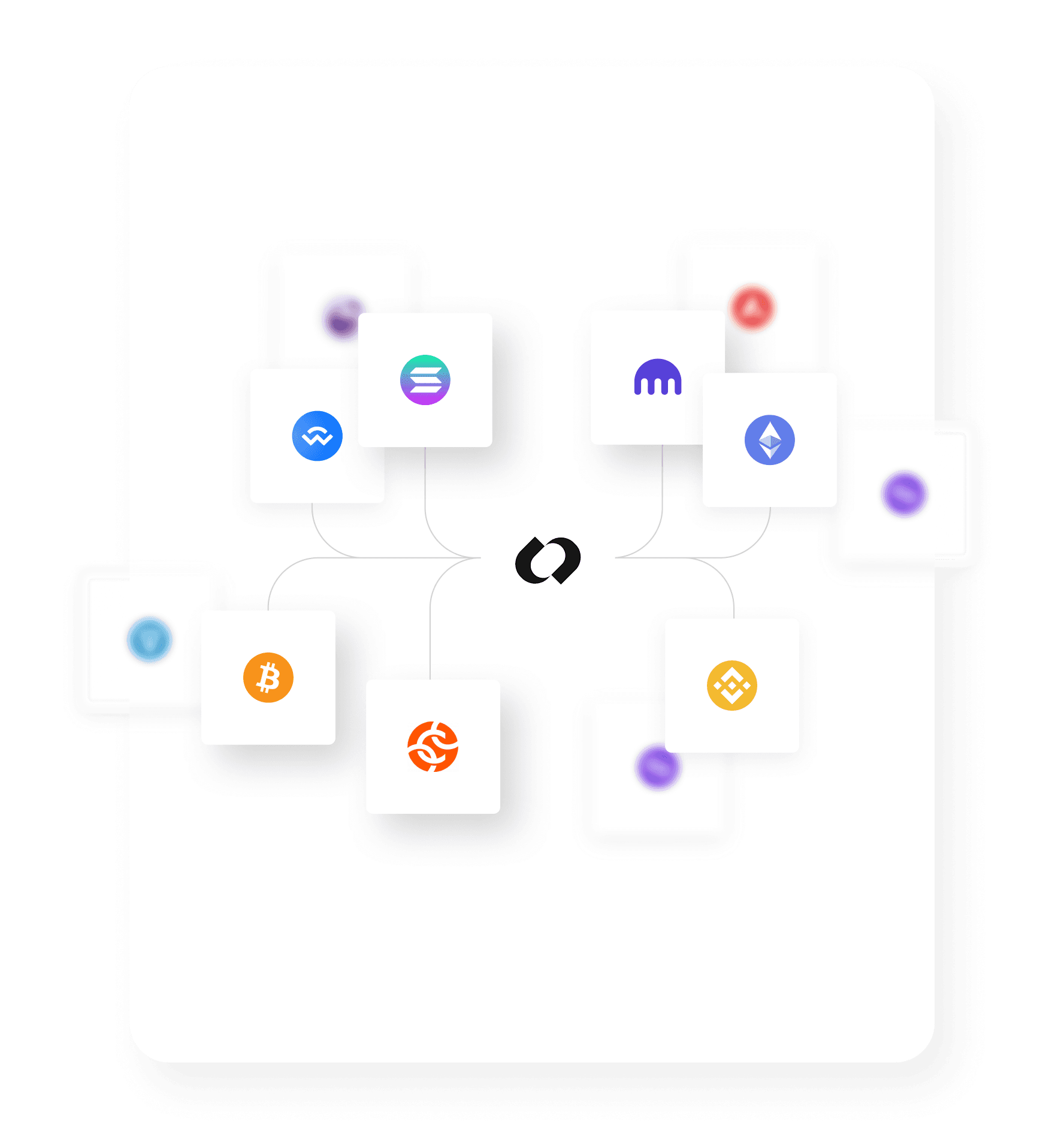
Connect to the entire Web3 ecosystem.
100+
blockchains
30+
integration partners
Seamless Connectivity
to exchanges, yield, and staking
Tap into a global partner network with Utila Link.
Discover
by region, chain, asset or vertical
Connect
to global payment rails
Settle
securely and at scale

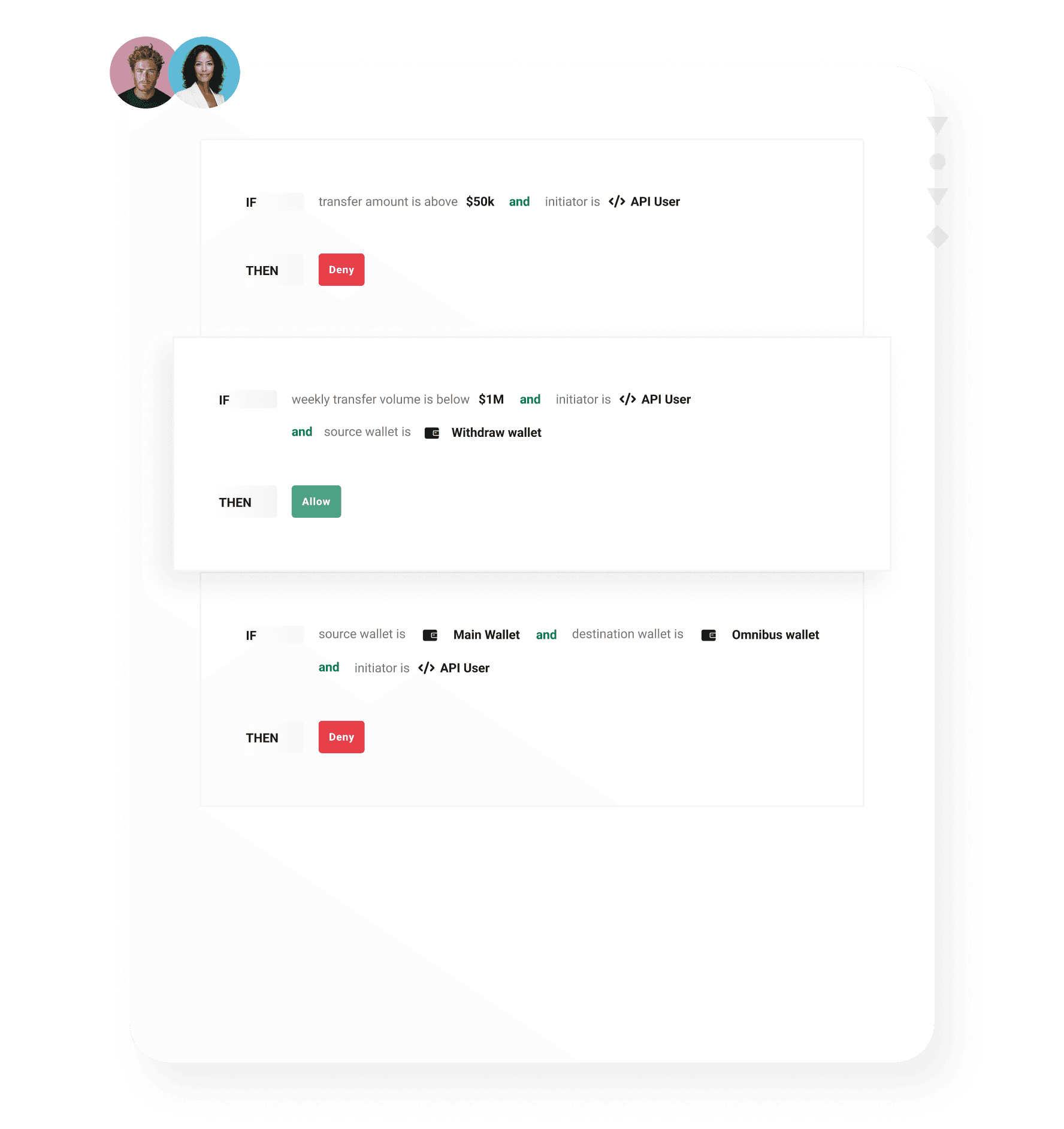
Comprehensive infrastructure stack for all digital asset operations
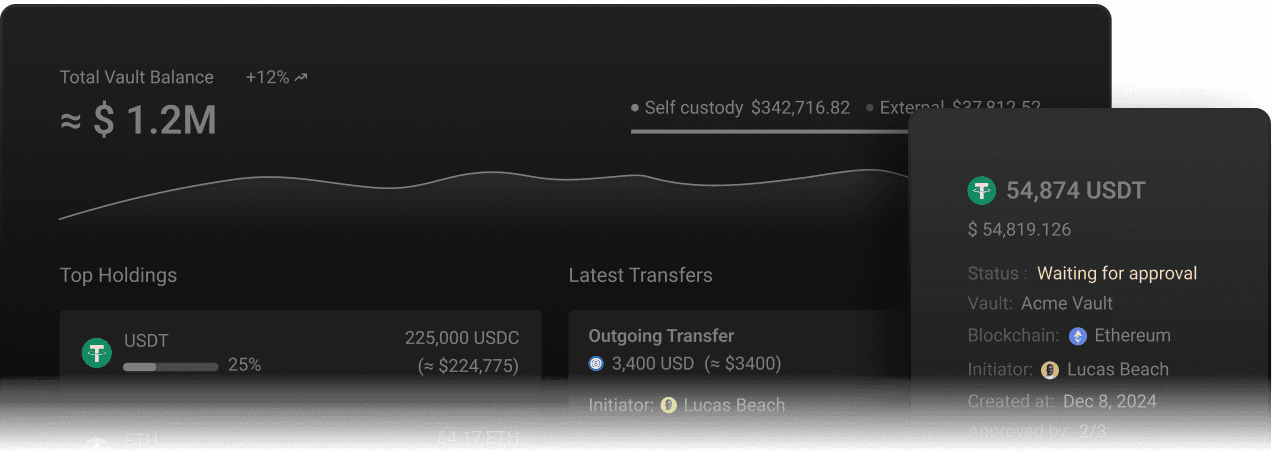
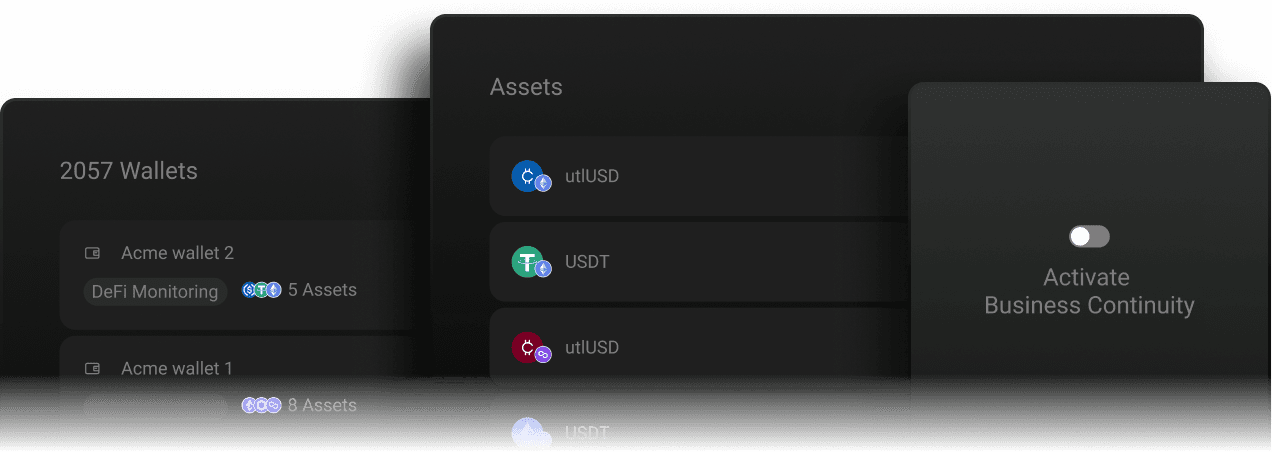
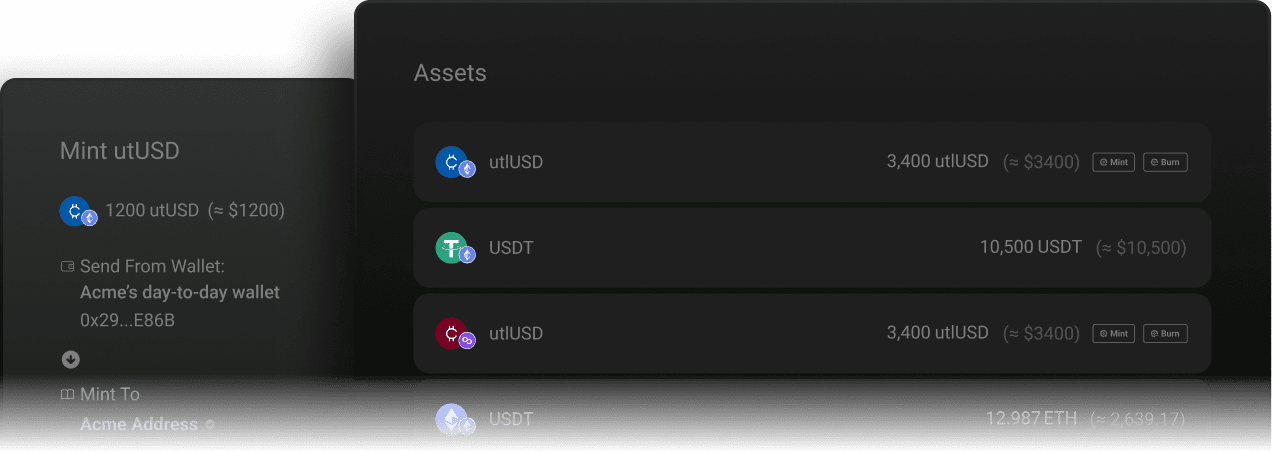
Why leading institutions are moving to Utila

What is Wallet as a Service, and how does it work?

Wallet-as-a-Service (WaaS) is an API-driven infrastructure model where a provider handles wallet creation, key management, and transaction signing so you can embed digital asset functionality into your own product. With Utila's WaaS, you call the API to provision wallets, generate addresses, initiate transfers, and enforce policies. Your users interact with your interface while Utila manages the underlying MPC security and blockchain operations.
Who controls the keys for my users?
You do, not Utila. Utila uses multi-party computation, which splits each private key into shares distributed between your infrastructure and Utila, and both shares stay private at all times. No single party can sign on its own, and Utila never holds a complete key, so the model is non-custodial and Utila never takes custody of your users' assets. Each key share is bound to a specific user and device, so it cannot be extracted or reused elsewhere. Your users transact through your product while signing and governance stay under your control.
How does Utila's WaaS let me keep my own brand and user experience?
Utila operates entirely as a backend infrastructure layer. You build your own UI, user flows, and product experience while Utila's APIs handle wallet provisioning, key management, and transaction signing behind the scenes. Your end users never see or interact with Utila directly. All wallet operations, governance, and compliance run in the background through API calls from your application.
How do I create and manage wallets programmatically through the API?
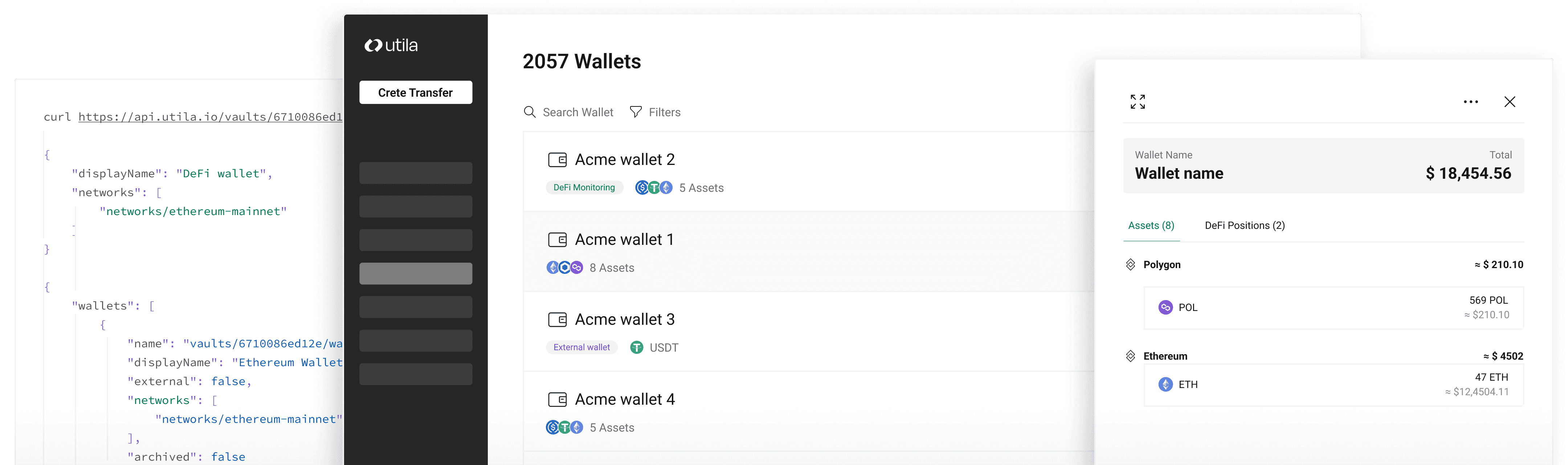
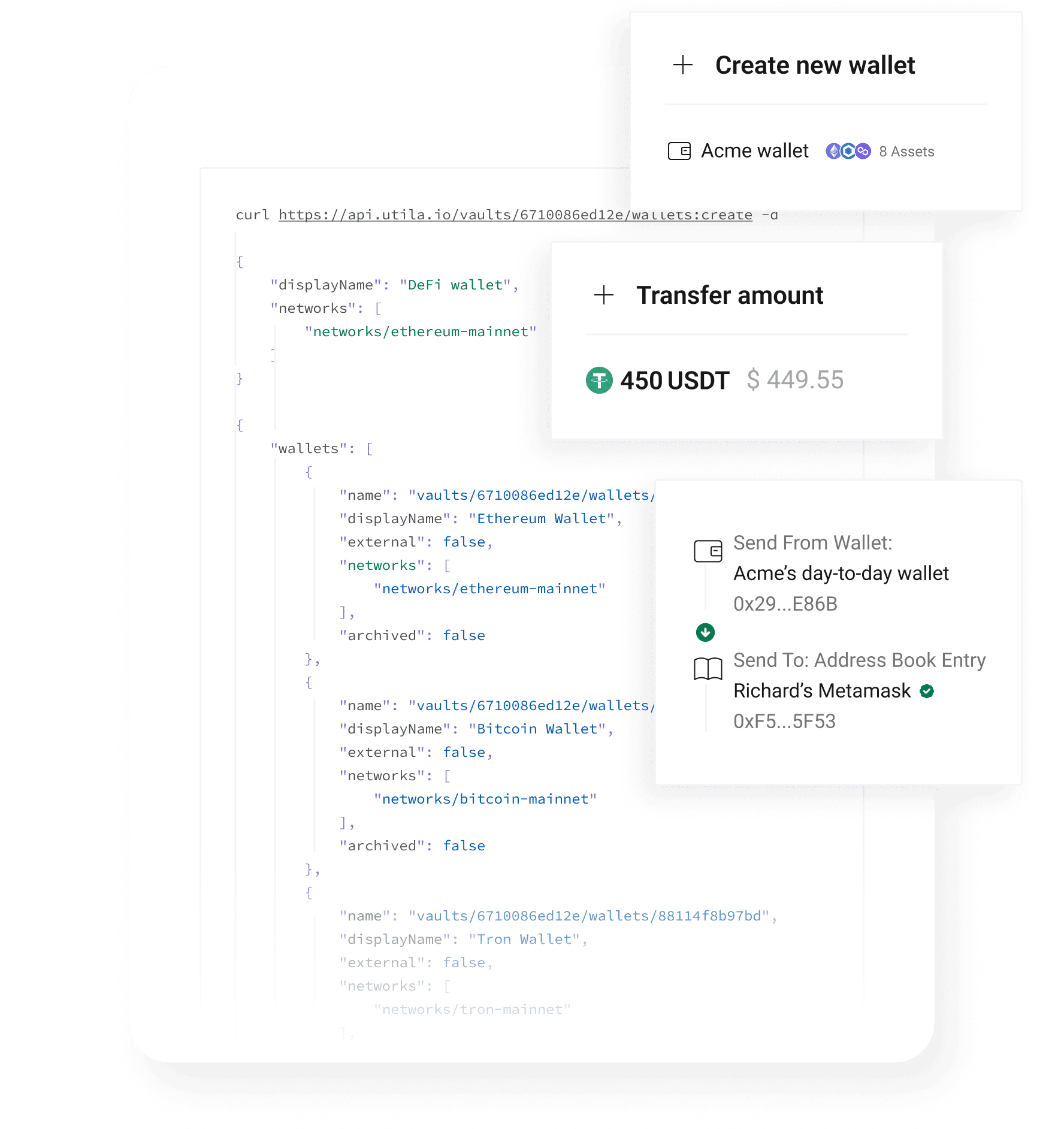
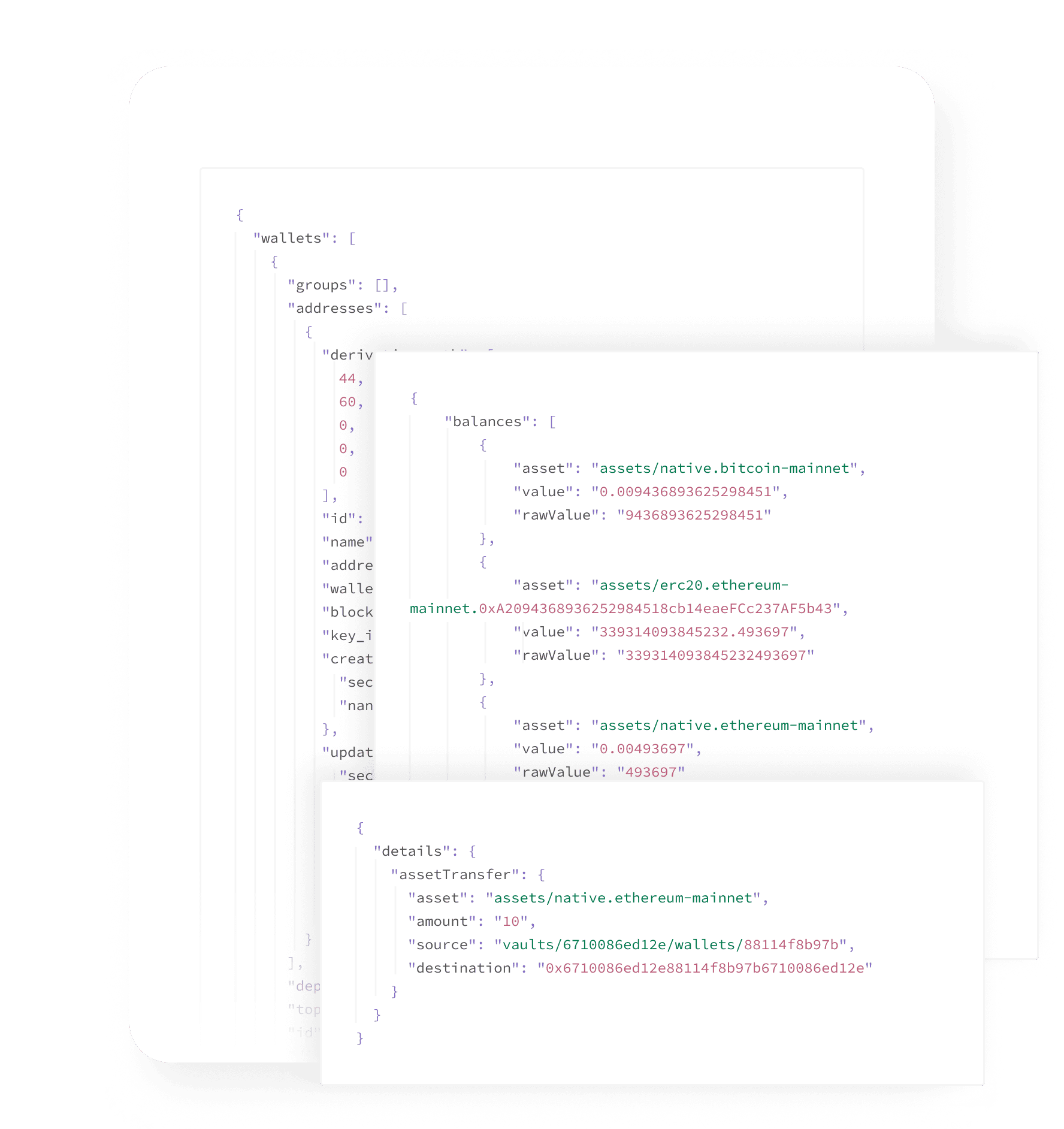
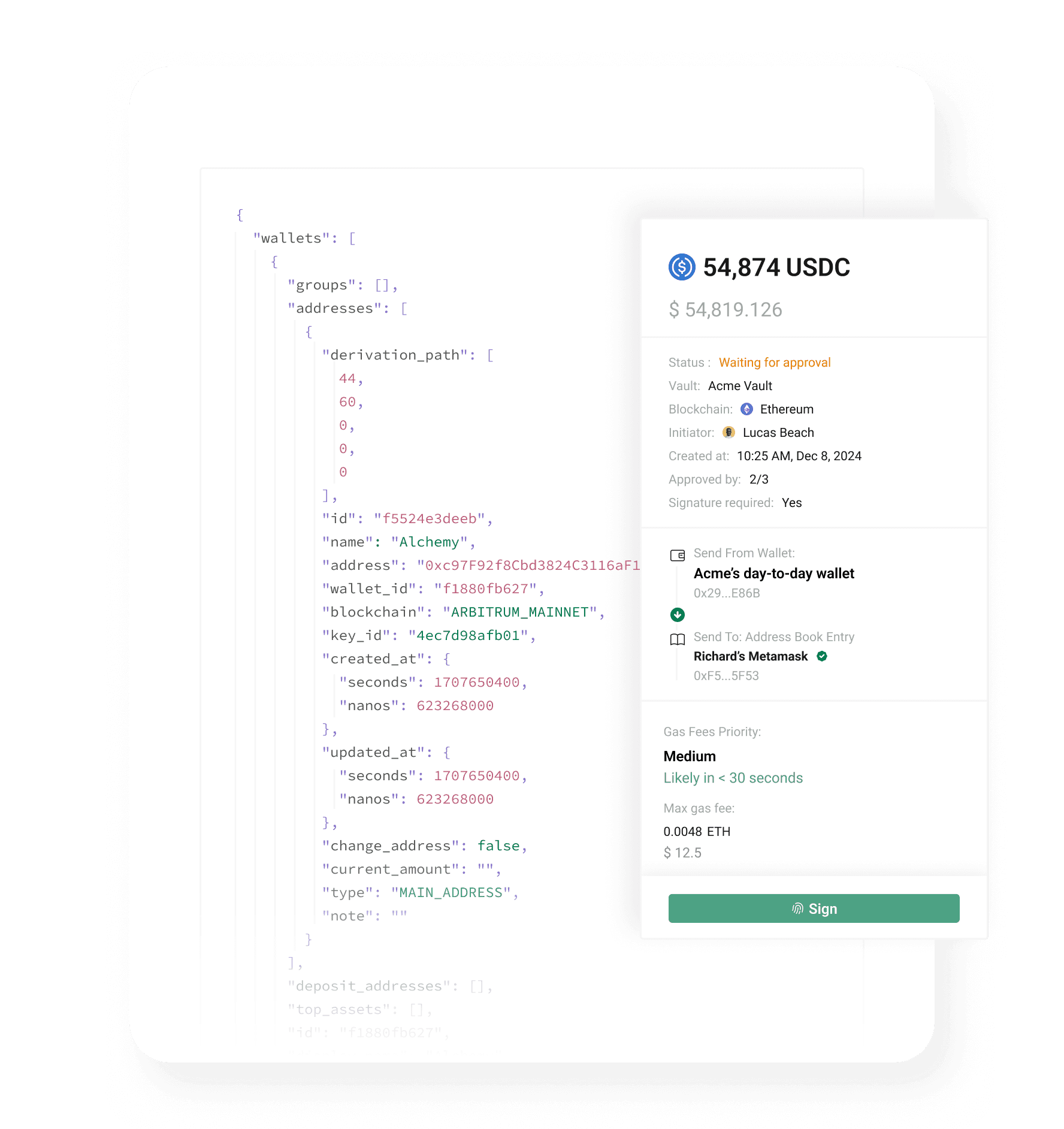
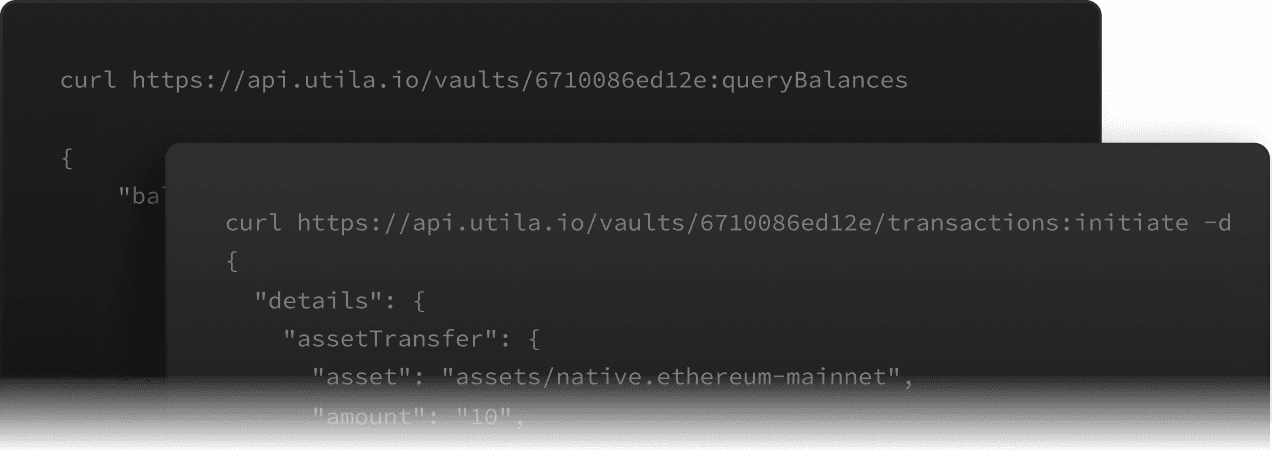
Utila's REST API lets you create wallets, generate deposit addresses, initiate transactions, and query balances with standard HTTP calls. You can create thousands of wallets for your users without manual setup. Each wallet inherits the governance policies defined for its vault, and the API returns wallet IDs and addresses you store in your own database for mapping to your user accounts.
What transaction types does Utila's wallet infrastructure support?
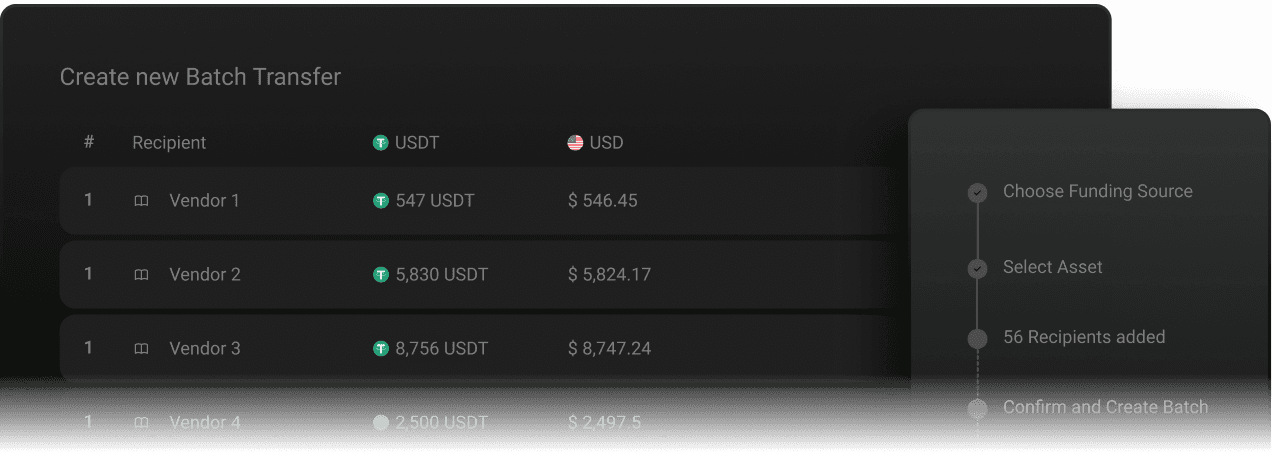
Utila supports standard transfers, token approvals, contract interactions, batch transactions, and single-use wallet operations across all supported chains. Single-use wallets let you create disposable addresses for one-time payments or privacy-sensitive flows. Batch transaction support processes multiple transfers in one on-chain operation, and the API handles construction, signing, and broadcasting regardless of the underlying blockchain.
How does the Utila Cosigner work, and where can I deploy it?
The Utila Cosigner is a component you deploy in your own infrastructure that co-signs transactions programmatically. It runs on any virtual machine or cloud environment you choose, giving you control over where signing happens. When your application initiates a transaction through the API, the Cosigner evaluates it against your defined rules and co-signs automatically if conditions are met.
What webhooks does Utila provide for wallet and transaction events?
Utila sends real-time webhooks for deposits, transfers, transaction confirmations, approval requests, and governance changes. You subscribe to the events relevant to your product and receive payloads at your configured endpoint as each event occurs. Webhooks let you update user balances, trigger notifications, or start downstream workflows in your application without polling the API for status changes.
How does Utila handle gas fees for end user wallets?
Utila's gas abstraction automatically funds each wallet with the native token needed to execute transactions, so your end users never manage gas themselves. Gas costs are drawn from a dedicated funding source you configure, and the platform optimizes allocation per transaction to keep costs down. For your users, the experience is gasless. For your operations team, gas spending is tracked and attributed per wallet.
Can Utila's wallet infrastructure scale with my user base?
Utila's infrastructure scales horizontally to handle growing user counts and transaction volumes. You can provision thousands of wallets without performance loss, and fast signing speeds keep throughput high even during volume spikes. Automated gas allocation and batch transaction support remove the operational bottlenecks that typically appear as a wallet product grows. Scaling your user base does not require re-architecting your integration.
How quickly can I go live with Utila's WaaS?
Utila is built for fast deployment. Onboarding is quick, and most teams go from API access to a working integration within days. The REST API follows standard patterns with client libraries and example implementations in the developer documentation. Because the Cosigner deploys on your existing cloud or VM infrastructure, there is no hardware procurement or long provisioning cycle before you start signing transactions.
Ready to build on Utila's enterprise wallet infrastructure?
Companies who trust our enterprise-grade governance, security, and operational control:
Seamlessly connect your existing systems, infrastructure, and workflows — all in one unified platform.