Institutional trading infrastructure built for digital assets
Execute, settle, and manage digital asset trading across wallets, exchanges, and DeFi with secure MPC custody, granular governance, and unified operational control.
Monthly Volume
Customer Support
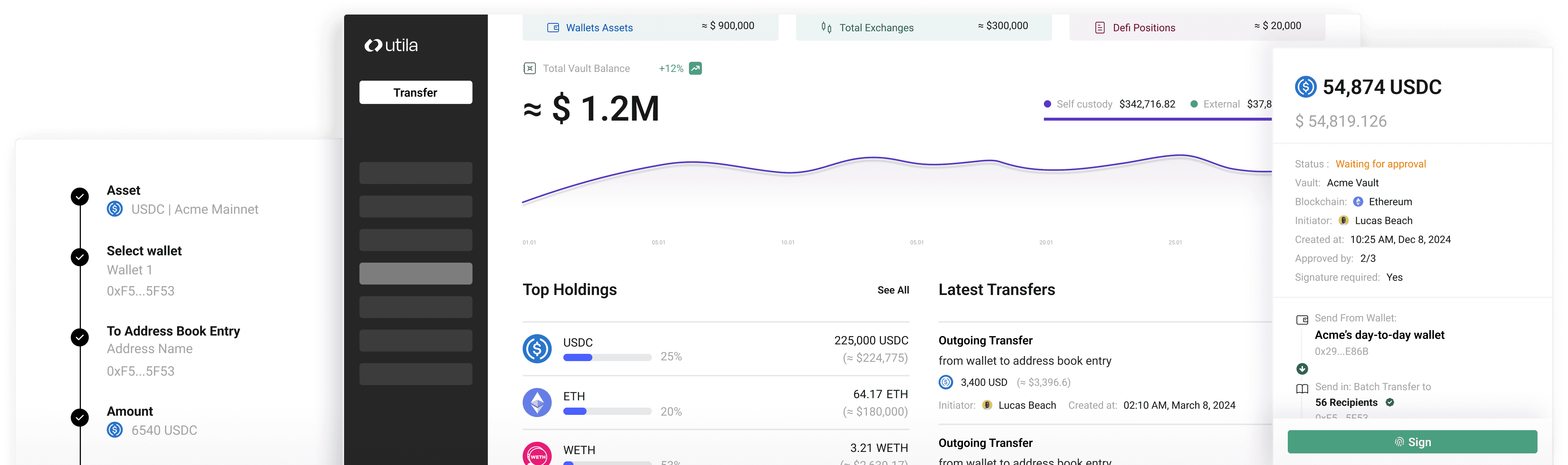
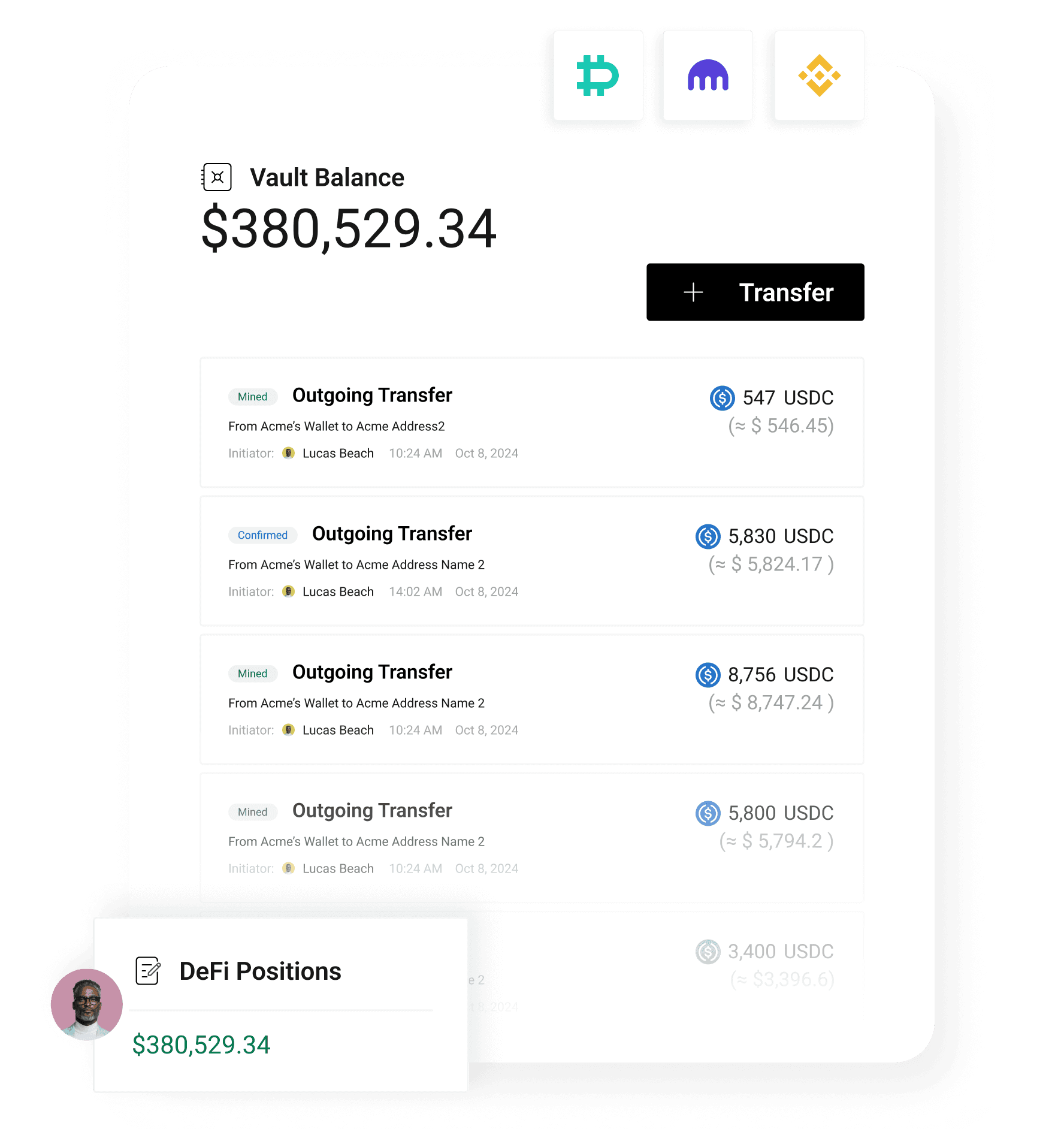
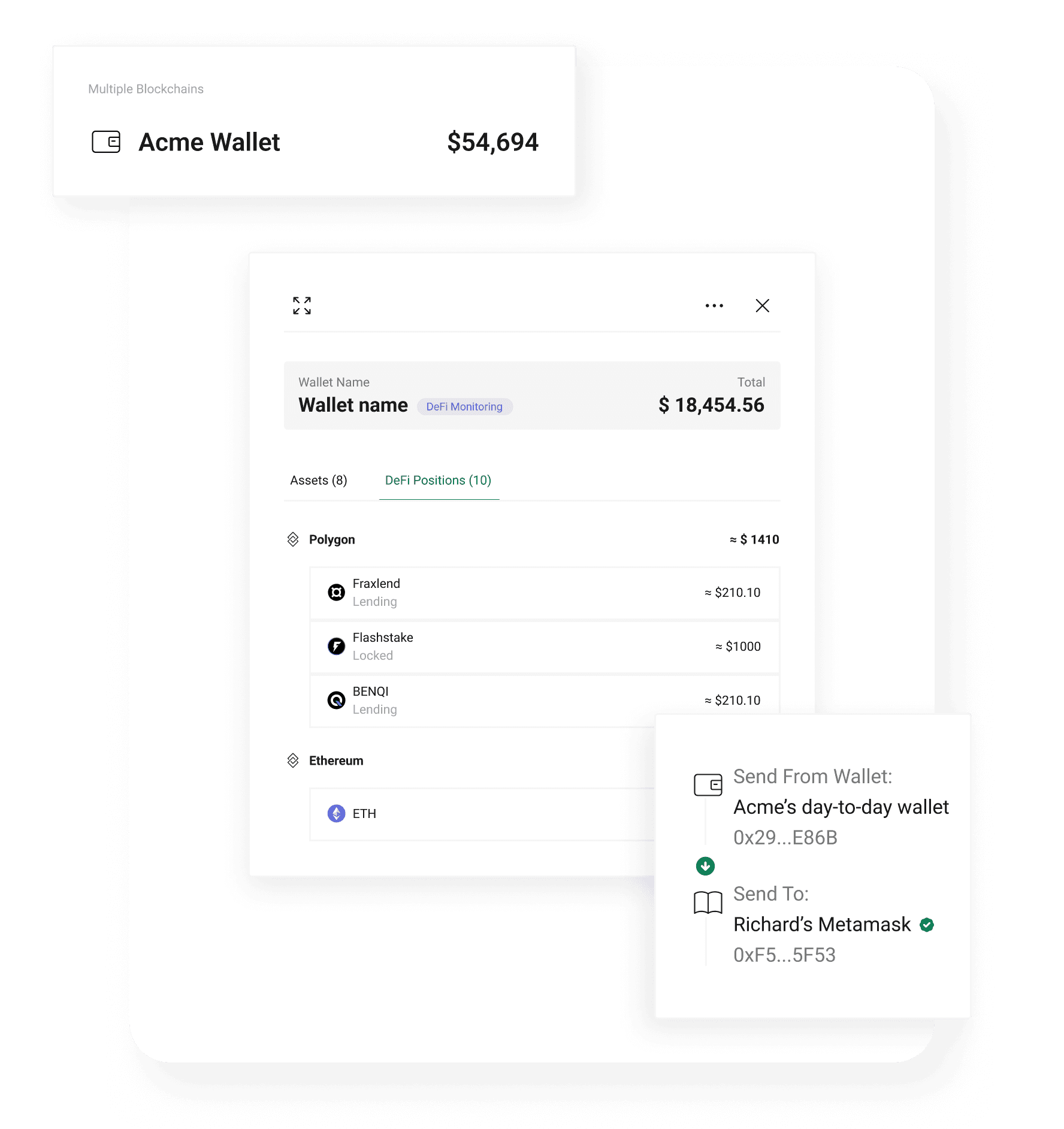
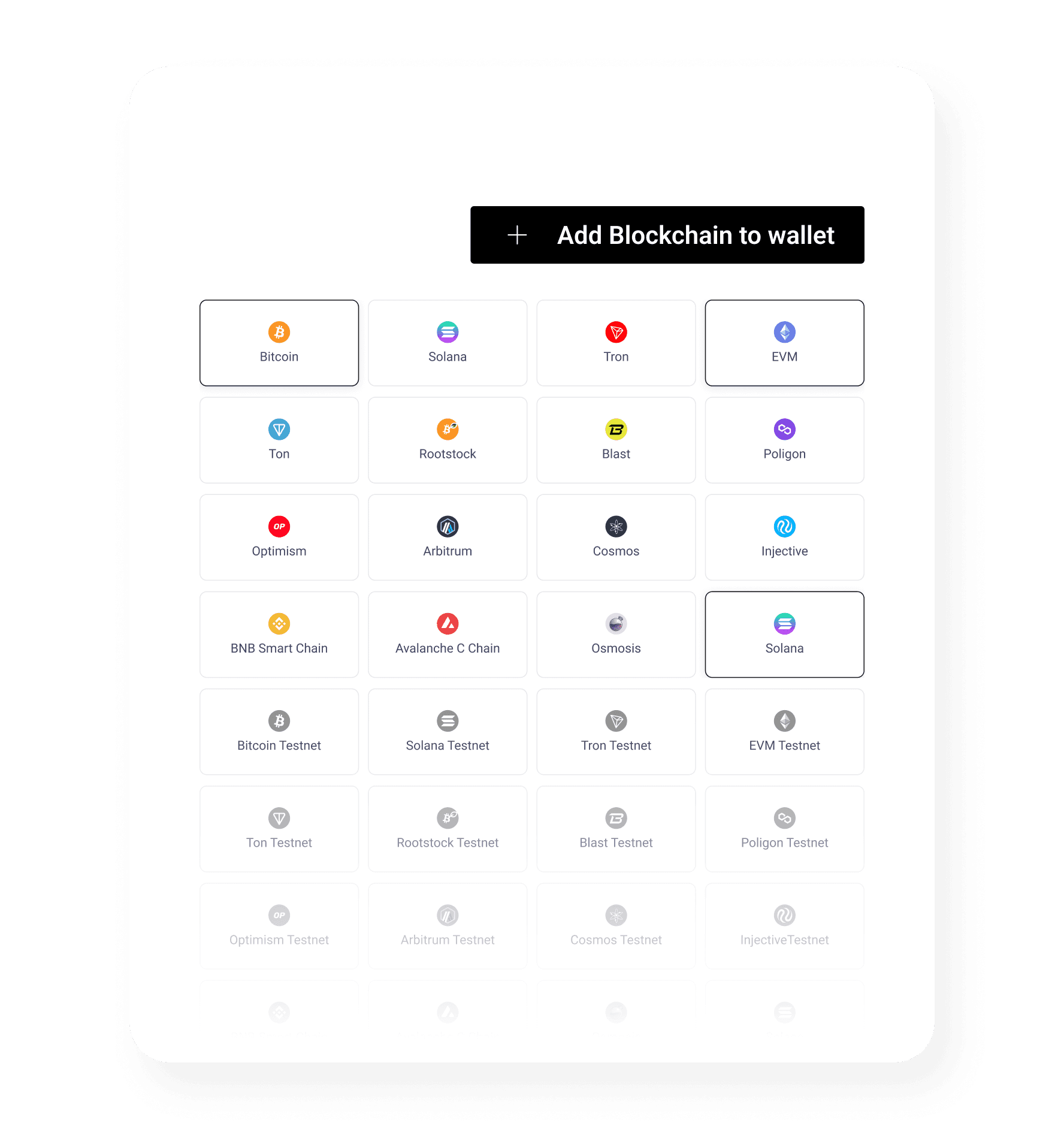
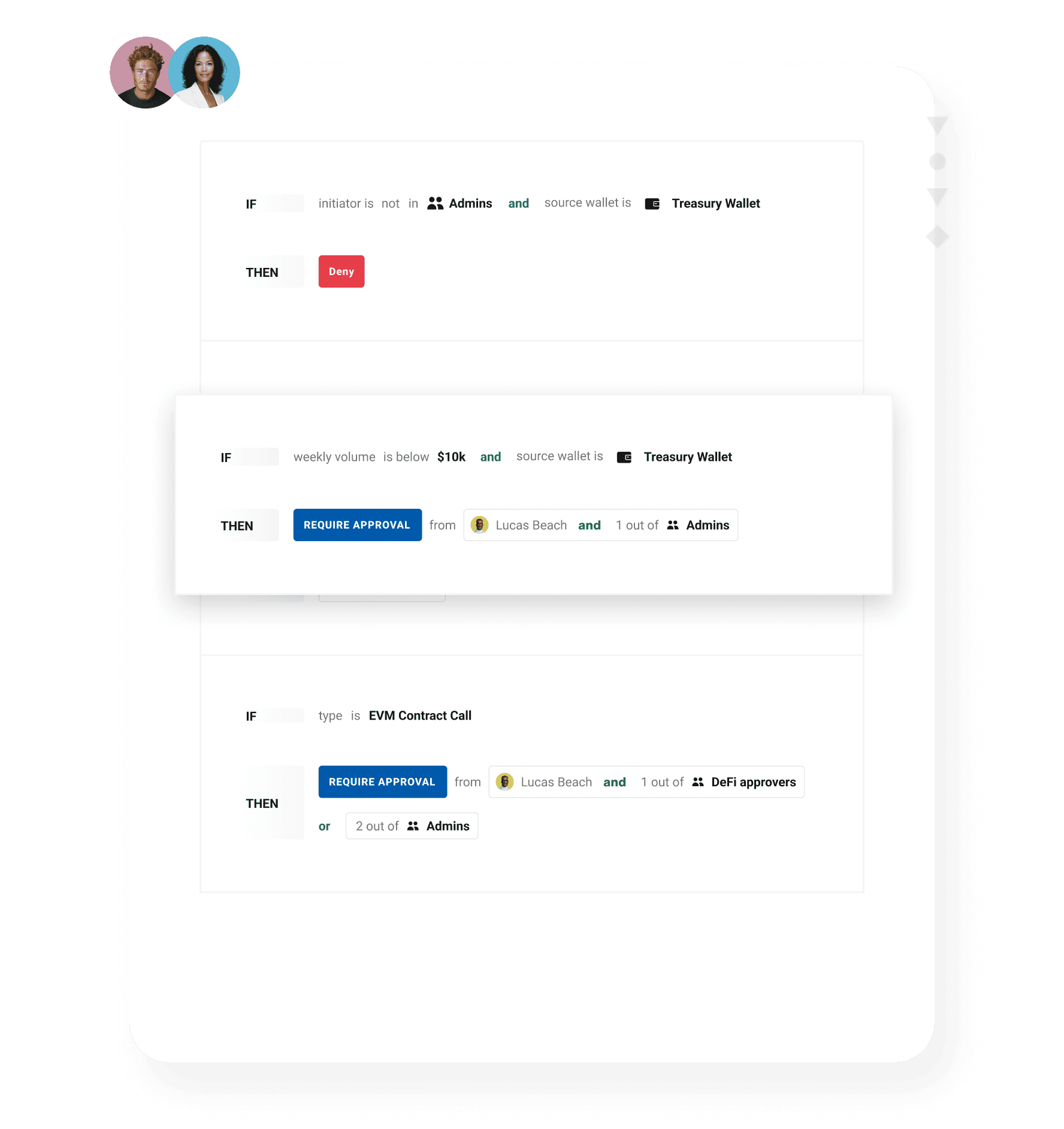
Less complexity, more control - a unified trading platform built for scale
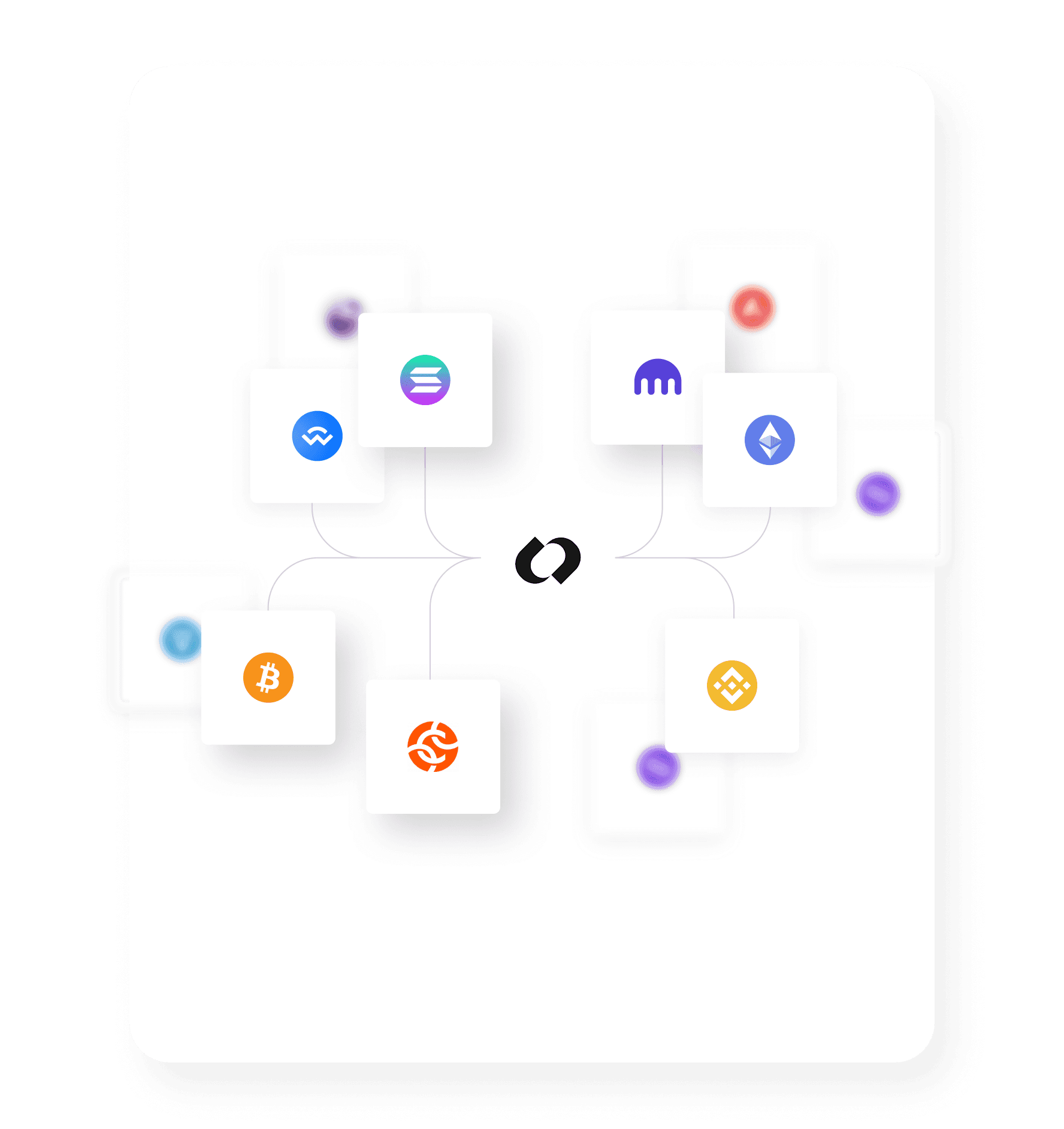
Connect to the Entire Digital Asset Ecosystem
100+
blockchains
30+
integration partners
Seamless Connectivity
to exchanges, yield, and staking
Expand Your Trading Network With Utila Link
Discover
by region, chain, asset or vertical
Connect
to global payment rails
Settle
securely and at scale

Comprehensive infrastructure stack for all digital asset operations
Why leading institutions are moving to Utila

How does Utila support trading across multiple exchanges and DeFi venues?

Utila lets you run trading workflows across centralized exchanges, DeFi protocols, and your own wallets from a single platform. You can execute trades, settle positions, and rebalance across venues without moving between separate tools. A consolidated portfolio view shows balances, positions, and performance across all connected venues in real time, with every operation governed by the same policy controls.
How does native exchange connectivity work on Utila?
Utila connects directly to major exchanges, giving your trading team the ability to deposit, withdraw, rebalance, and settle funds across accounts and subaccounts from one interface. You manage exchange operations alongside your self custody wallets without logging into each exchange separately. All exchange interactions go through your governance policies, so withdrawal limits and approval workflows apply the same way they do for on-chain transfers.
Can I trade and interact with DeFi protocols securely through Utila?
Utila supports DeFi trading, lending, staking, and dApp interaction through its browser extension and native protocol integrations. Your trading team can access DeFi positions directly from the vault while the platform's governance policies control which protocols, contract addresses, and transaction types are permitted. DeFi operations carry the same approval workflows and audit logging as centralized exchange activity.
How do vaults help isolate trading strategies, desks, or client funds?
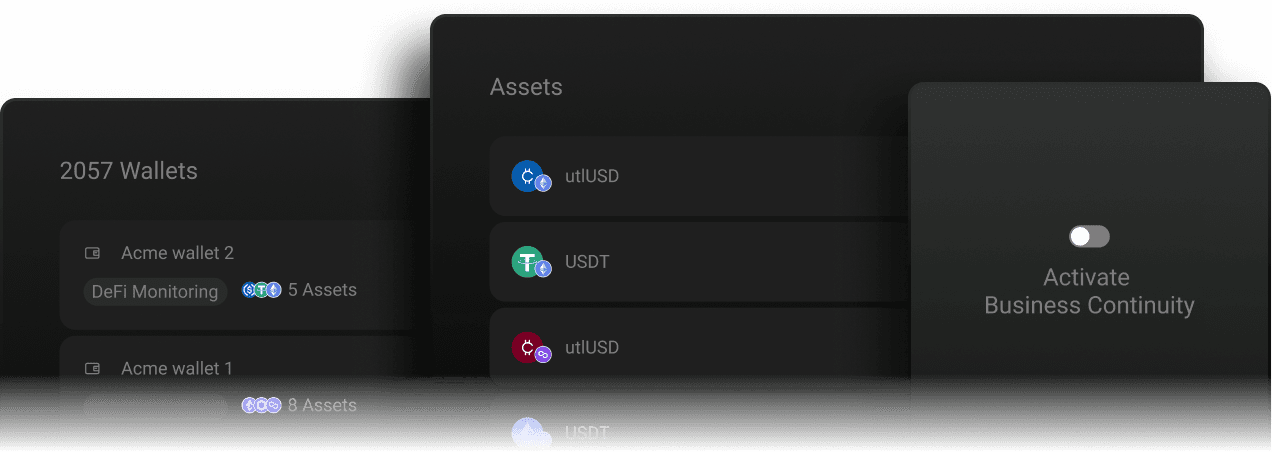
Each vault in Utila acts as an isolated container with its own wallets, policies, and user permissions. Trading firms use separate vaults to segregate strategies, desks, client funds, or fund structures so that activity in one vault cannot affect another. Governance rules are set per vault, meaning each desk or client fund can have its own approval thresholds, transaction limits, and authorized signers.
What trading workflows can I automate through the API?
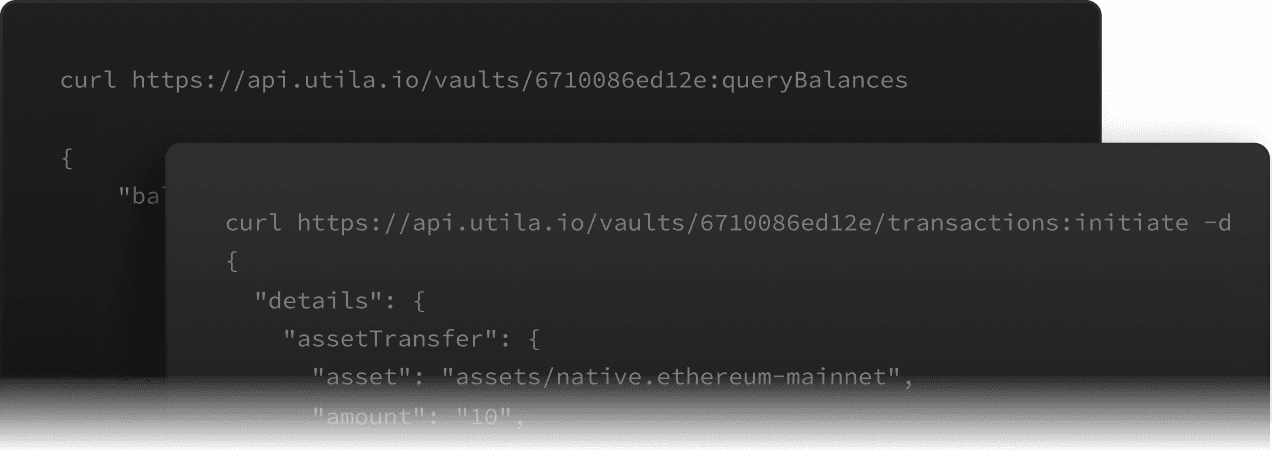
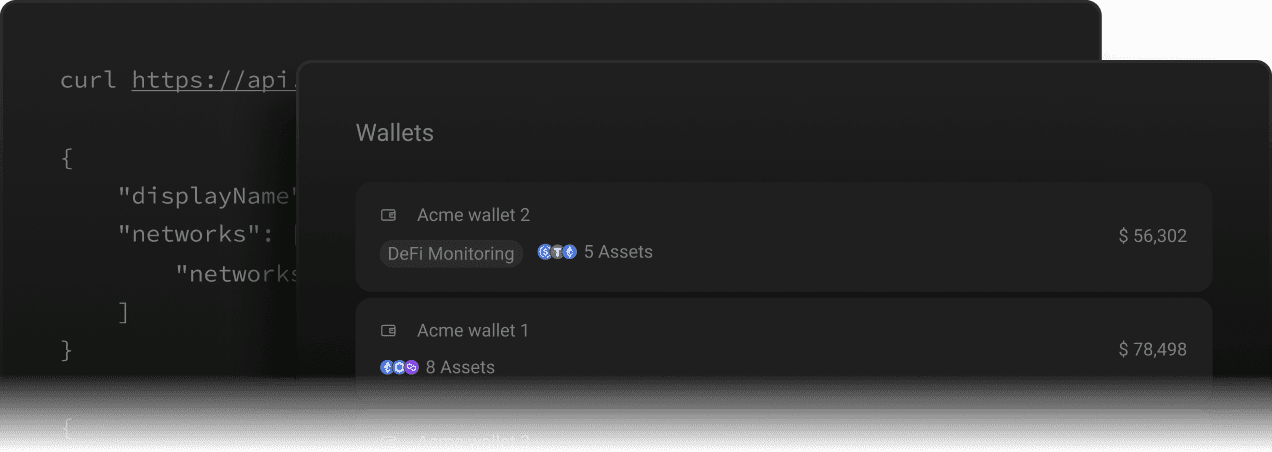
Utila's API handles programmatic settlements, portfolio rebalancing, and recurring transfers across exchanges and wallets. The API co-signer automates transaction signing based on pre-defined rules, so routine operations run without manual approval. You can also build custom workflows for multi-venue position management, scheduled withdrawals, and post-trade reconciliation triggers using webhooks.
How does Utila handle settlement across multiple counterparties?
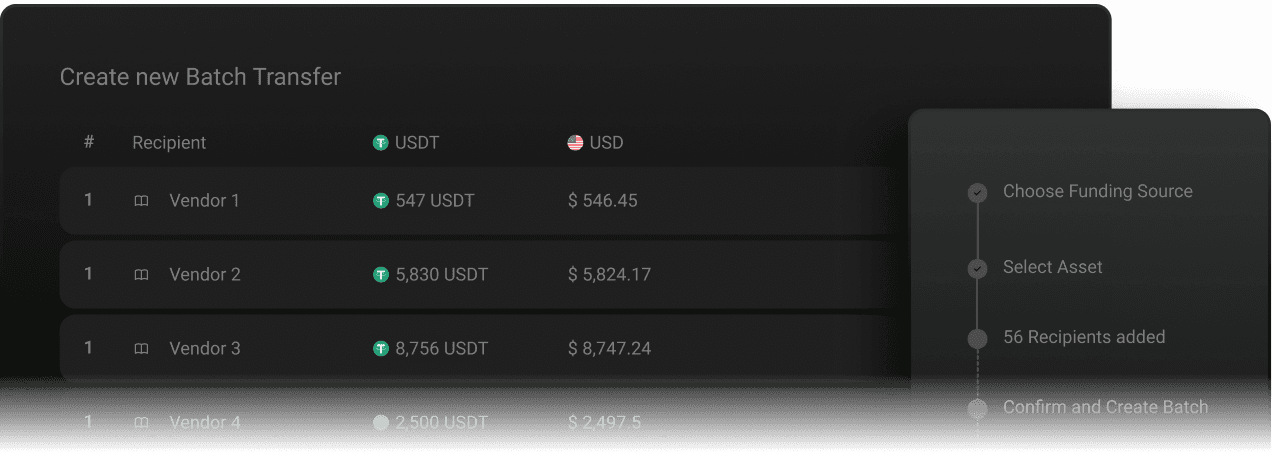
Utila settles trades across counterparties directly from your vault. Whitelisted addresses ensure funds only move to verified destinations, and the governance engine enforces per-counterparty limits and approval rules. For firms using Utila Link, settlement happens with connected exchanges, OTC desks, and liquidity providers inside the platform. Every settlement transaction is logged with full audit trails for reconciliation.
Can I track DeFi positions and portfolio performance in real time?
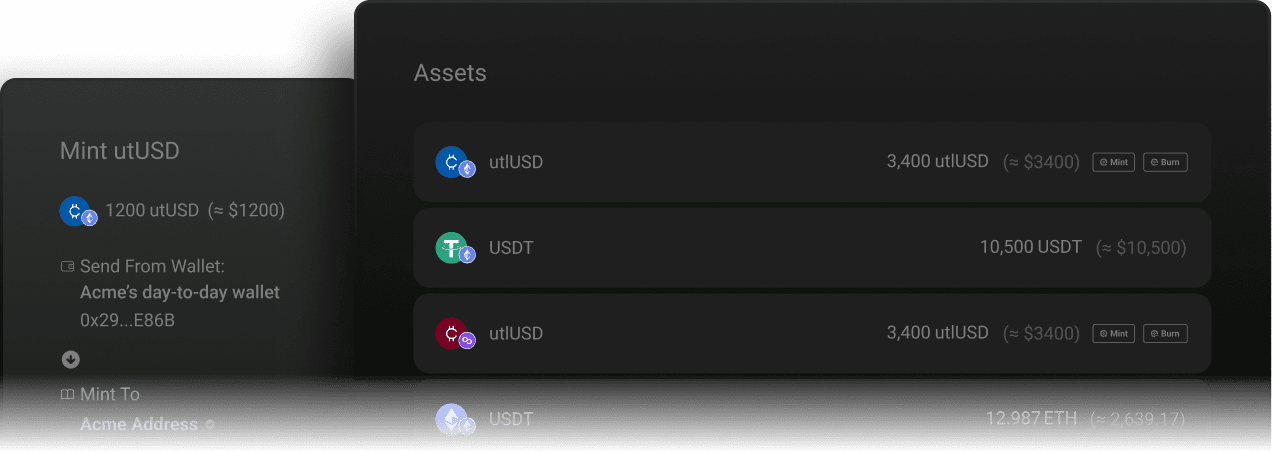
Utila tracks DeFi positions across protocols with real-time valuations displayed alongside your exchange balances and on-chain holdings. The consolidated portfolio view gives trading teams a single source of truth for all assets, whether held in DeFi, on exchanges, or in self-custody wallets. Position data updates continuously, so your team always sees current exposure without pulling data from multiple dashboards.
How does address whitelisting work for trading counterparties?
Utila's whitelisting system lets you pre-approve destination addresses for each counterparty. Once an address is whitelisted, transfers follow your standard approval flow, and addresses not on the whitelist are blocked automatically to prevent unauthorized withdrawals or misdirected settlements. You can manage whitelists per vault, so different trading desks maintain their own approved counterparty lists independently.
What reporting does Utila provide for trading operations?
Utila generates trading reports that include unified balances, profit-and-loss summaries, full transaction histories, and vault-level statements. Reports cover activity across exchanges, DeFi, and on-chain wallets in one view. Exportable logs support financial reconciliation, fund administration, and audit preparation. Vault-level reporting lets multi-desk or multi-fund operations produce separate statements per entity without manual data splitting.
How does Utila enforce governance controls specific to trading desks?
Utila's governance engine lets you set trading-specific controls per vault or desk. You can define counterparty limits, maximum transaction sizes, required approval quorums, and restrict which exchanges or DeFi protocols a desk can interact with. Role-based permissions control who can initiate, approve, or sign transactions. Because governance is set at the vault level, each desk operates under its own rules without affecting other desks.
Ready to modernize your trading operations?
Companies who trust our enterprise-grade governance, security, and operational control:
Seamlessly connect your existing systems, infrastructure, and workflows — all in one unified platform.